
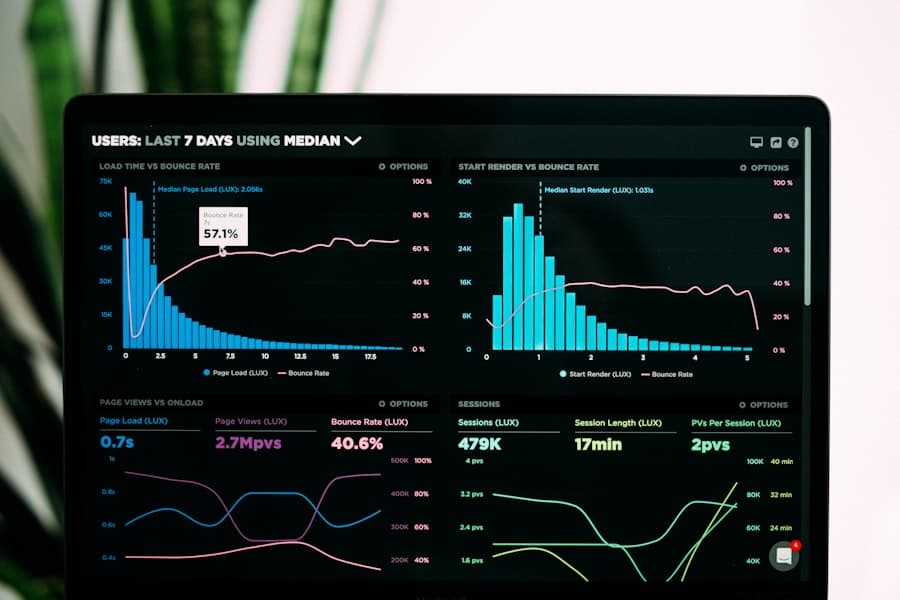
What A Digital Twin Actually Costs (And When It Is Worth It)
The modelling is the cheap part. Sensor coverage, data plumbing and keeping the twin in sync with reality are where the budget goes.
The modelling is the cheap part. Sensor coverage, data plumbing and keeping the twin in sync with reality are where the budget goes.
This article is part of our ongoing technical series. Our engineers write about the decisions they make on live projects — what worked, what cost more than expected, and what they would do differently next time.
Why this matters
Most published guidance on this topic assumes conditions that rarely exist in practice: unlimited budget, greenfield sites and teams with spare capacity. The reality is usually an existing operation that cannot stop, a fixed capital allocation, and a team already stretched.
The approach described here is written for those constraints. It prioritises sequencing — what to do first so that later stages become cheaper — over technical completeness.
Where teams usually go wrong
The most common failure is starting with the most visible problem instead of the most constraining one. Visible problems attract budget; constraining problems decide whether that budget produces a return.
If you cannot measure the baseline, you cannot prove the improvement — and a project that cannot prove improvement will not get funded twice.
Instrumentation first, automation second. It feels slower for the first two months and pays back for the following two years.
Facing this on a live project?
Our engineers answer technical questions directly — free, no obligation.
Ask an engineerFiled under

Tell us the problem.We’ll map the solution.
Describe your requirement in plain language — you do not need to know the technology name. Our engineers will identify the right approach and come back with a clear, costed path forward.
- Reply within 2 working hours
- NDA on request
- No cost, no obligation